↑ ↓ or space to navigate
SASP Symposium 2026 — AI and the future of physiotherapy education

New therapeutic alliances

AI and physiotherapy: practice, research, education

The premise

Ten years ago

  • Claim: smartphones and the internet would end medicine's paternalism, with patients tracking their own data, arriving informed, and in charge
  • That insight has largely come true — in some respects, to varying degrees
  • But the resource patients are turning to has changed; it doesn't just inform them anymore. It invites discussion
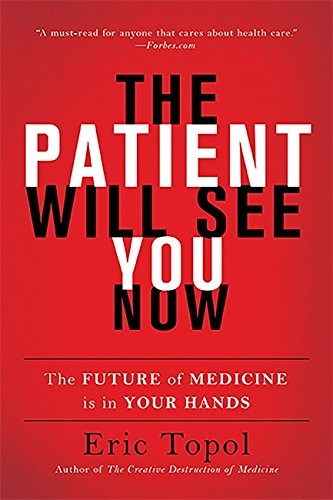
Cover of The Patient Will See You Now by Eric Topol
Slide 02 / 10
The evidence

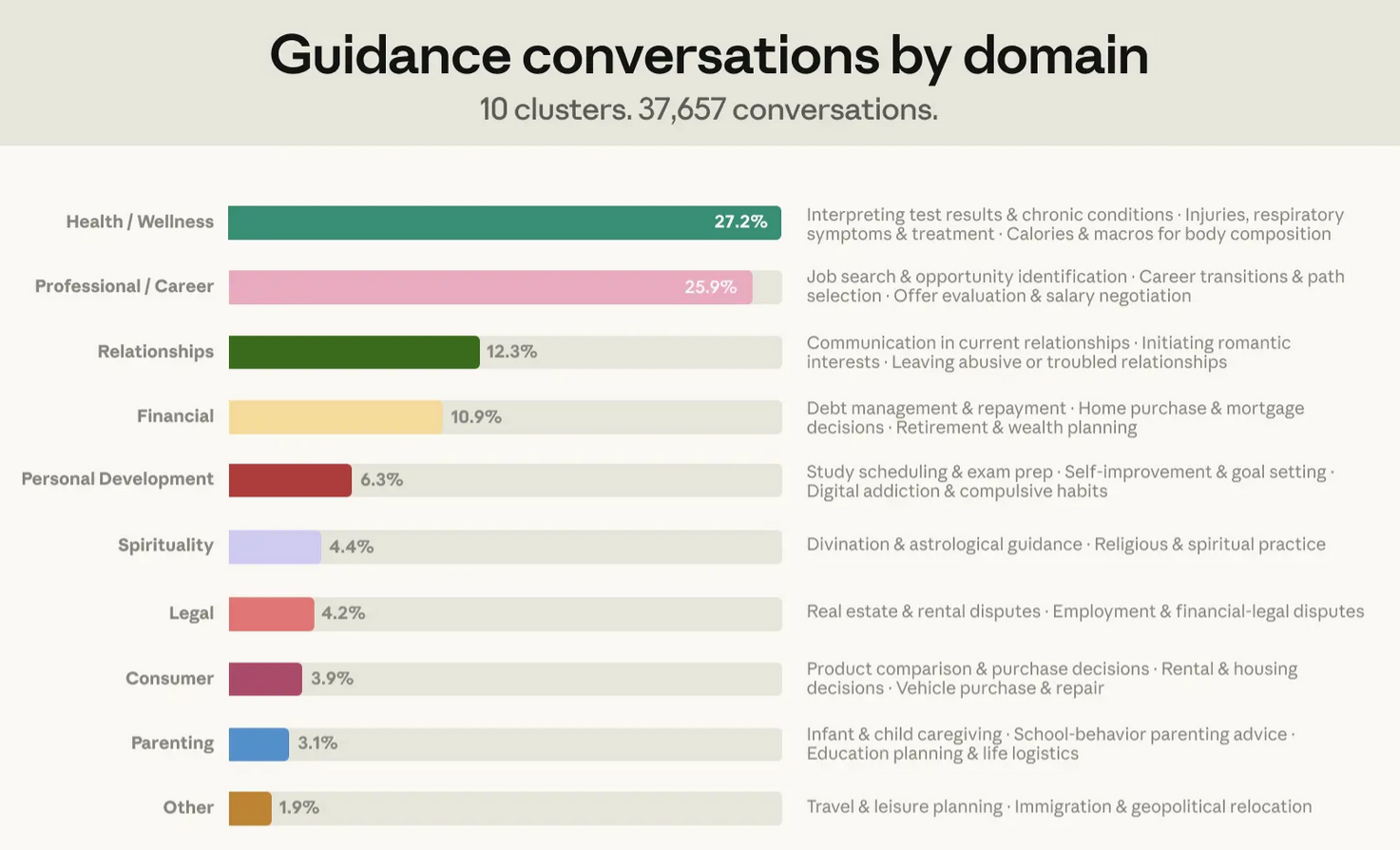
Healthcare guidance conversations

Bar chart: guidance conversations by domain, health/wellness largest at 27.2%
Slide 03 / 10
The capability

AI is getting very good

  • ChatGPT was near the USMLE passing threshold in 2023; by GPT-4, accuracy across 45 worldwide licensing-exam studies had risen to 81% (Liu et al., 2024)
  • A meta-analysis of 15 studies found AI chatbots rated more empathic than human clinicians in 13 of them (Howcroft et al., 2025)
  • GPT-4o's moral guidance was rated more trustworthy and correct than a professional ethicist's (Wilbanks et al., 2024)
  • Physiotherapy is already asking the right question: not "should patients do this" but "why and how should clinicians engage" (Vancampfort & Van Damme, 2026)
Slide 04 / 10
The proof point

An independent AI physiotherapist

  • Flok Health's AI is Class IIa certified — the first AI system in Europe cleared to run an entire MSK care pathway unsupervised, from diagnosis through to discharge (Digital Health, 2025)
  • An NHS pilot at Cambridgeshire Community Services Trust more than halved the back pain waiting list in 12 weeks
  • Clearance has since widened to every MSK and pelvic health pathway, across 14 NHS regions, covering more than 6.6 million patients
Slide 05 / 10
The literacy

A new kind of health literacy

  • We say we want patients with health literacy and agency — informed, active, questioning
  • Social media already gave them a rough version of that — searchable, imperfect, and genuinely theirs
  • Now the resource reasons, adjusts, answers follow-up questions — and we still hesitate
  • Patients are forming real therapeutic alliances in those conversations, with alliance ratings comparable to human therapists in randomised trials (Heinz et al., 2025). We're not in the room for them
Slide 06 / 10
The preparation

Preparing students

  • Can our students help patients build more suitable prompts — the difference between a vague question and one that gets a grounded, useful answer?
  • Are they familiar with concepts like context engineering, which shapes whether a patient's AI gives them something accurate or something plausible-sounding?
  • What does a curriculum look like where AI is a valid, legitimate agent in the patient encounter — not an unacknowledged third party?
Slide 07 / 10
The gap

Research opportunities

  • We assume clinician involvement changes outcomes, but nobody has measured that for the patients already choosing AI instead
  • The training question — what physios need to know about this — should follow that evidence, not precede it
  • What we don't yet know: when the alliance with an AI helps, when it doesn't, and where we demonstrably still matter
Slide 08 / 10
The ask

What this asks of the profession

  • Shape this deliberately, on evidence, rather than reacting to it or gatekeeping it
  • Practice: engage the AI-informed patient relationship, don't compete with it
  • Education: prepare students for therapeutic alliances that include AI agents
  • Research: find out where we add value before designing training that assumes it
SASP Symposium 2026 — AI and the future of physiotherapy education

Thank you

Questions and discussion